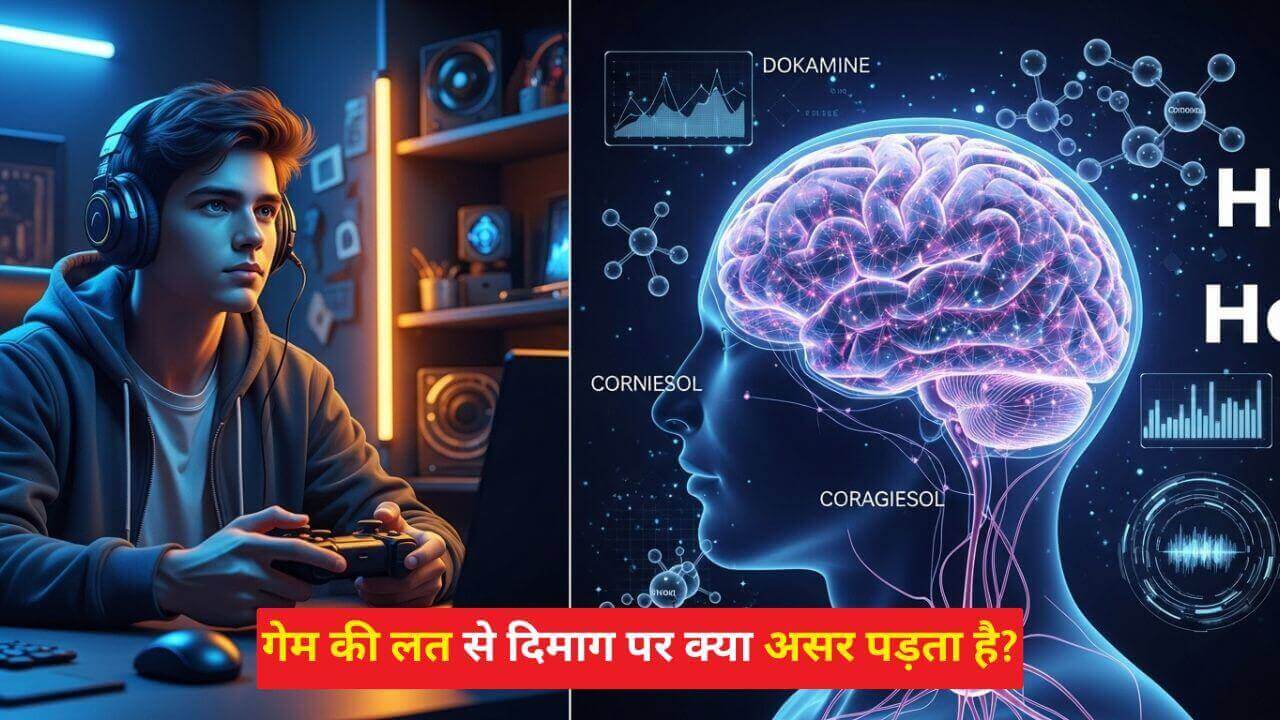
Game Addiction Science is becoming one of the most discussed topics in neuroscience and digital health research. With billions of people playing video games daily, scientists are now uncovering how gaming activates powerful brain hormones, rewires neural circuits, and in some cases leads to addiction-like behaviors.
Gaming is no longer just entertainment. It is a psychological and biological experience that can influence mood, motivation, sleep patterns, and even real-life decision-making.
This article explores the science behind gaming addiction, the hormones involved, expert opinions, and what this means for society.
Gaming and the Brain: A New Digital Reward System
Modern video games are designed with reward loops—levels, achievements, loot boxes, and social validation. These features stimulate the brain’s reward system, similar to how food, exercise, or social bonding does.
According to neuroscientists, gaming activates the mesolimbic dopamine pathway, a key system responsible for pleasure, motivation, and habit formation.
This is why players feel excitement, satisfaction, and sometimes frustration that keeps them playing longer.
Hormones Activated During Gaming
1. Dopamine – The Pleasure Chemical
Dopamine is the main hormone linked to gaming addiction. When a player wins a match, unlocks a reward, or beats a boss, dopamine is released.
➡ Effects:
- Boosts motivation
- Creates a feeling of pleasure
- Encourages repetition of the activity
Over time, the brain may crave gaming just to feel normal dopamine levels.
2. Cortisol – The Stress Hormone
Competitive gaming and intense gameplay increase cortisol levels.
➡ Effects:
- Increased heart rate
- Heightened alertness
- Stress and anxiety if gaming becomes excessive
High cortisol for long periods can affect sleep, mood, and immune health.
3. Adrenaline – The Fight-or-Flight Trigger
Fast-paced games trigger adrenaline, giving players a rush similar to real-life danger situations.
➡ Effects:
- Sharp focus
- Faster reaction times
- Emotional highs and lows
This is why gamers feel a “thrill” during intense matches.
4. Serotonin – Mood Stabilizer
Gaming can increase serotonin when players feel socially connected or successful. But excessive gaming can reduce real-life social interaction, lowering serotonin in the long run.
How Gaming Addiction Develops
Gaming addiction is not just about playing too much. Scientists describe it as behavioral addiction, similar to gambling.
Key Brain Changes:
- Tolerance: Need more gaming time for the same pleasure
- Withdrawal: Irritability or sadness when not gaming
- Compulsion: Gaming despite negative consequences
- Reduced impulse control: Prefrontal cortex becomes less active
Over time, the brain prioritizes gaming over school, work, relationships, and health.
Global Concern: Gaming Addiction as a Mental Health Issue
The World Health Organization (WHO) officially recognized Gaming Disorder as a mental health condition.
Symptoms include:
- Loss of control over gaming
- Prioritizing gaming over daily life
- Continued gaming despite harm
Experts say teenagers are most vulnerable due to developing brains and social media-gaming integration.
Expert Opinion: Is Gaming Always Bad?
Scientists do not say gaming is entirely harmful. Moderate gaming has benefits:
✔ Improves problem-solving
✔ Enhances hand-eye coordination
✔ Boosts creativity
✔ Helps social bonding in multiplayer games
The problem arises when gaming replaces real-world activities.
Psychological Impact of Gaming Addiction
Mental Health Risks
- Anxiety
- Depression
- Sleep disorders
- Attention problems
Physical Health Risks
- Eye strain
- Obesity due to inactivity
- Poor posture and neck pain
- Sleep cycle disruption
Social Impact of Game Addiction
Gaming addiction is not just a personal issue—it affects families, education, and society.
Impacts:
- Academic decline
- Reduced productivity
- Social isolation
- Financial issues (in-game purchases, gambling-like mechanics)
Governments in some countries are introducing gaming curfews for minors.
Science vs Reality: Are Games Designed to Be Addictive?
Many experts argue modern games use behavioral psychology techniques, including:
- Variable reward schedules
- Loot boxes (similar to gambling)
- Social ranking systems
- Daily login bonuses
These features keep users engaged and returning daily.
How to Prevent Gaming Addiction (Science-Based Tips)
Set Time Limits
Use digital wellbeing tools to track gaming hours.
Balance Activities
Encourage sports, reading, social activities, and hobbies.
Sleep Discipline
Avoid gaming before bedtime to reduce blue-light exposure.
Parental Monitoring
Parents should discuss gaming habits instead of banning them completely.
Professional Help
If addiction symptoms appear, cognitive behavioral therapy (CBT) is recommended.
Opinion: The Future of Gaming and Brain Science
Gaming is evolving into virtual reality, AI-driven worlds, and metaverse platforms. This means the brain’s reward system will become even more engaged.
In the future, scientists may design healthy gaming systems that promote learning, fitness, and mental wellness instead of addiction.
However, tech companies must take responsibility. Ethical game design should be part of digital policy discussions worldwide.
For more inspiring technology and lifestyle stories, read this related article: Jemimah Rodrigues’ big step: first investment in women’s helmet brand
Game Addiction Science shows that gaming is deeply connected to brain chemistry. Dopamine, cortisol, adrenaline, and serotonin play major roles in why gaming feels exciting and why some people struggle to stop.
Gaming is not the enemy. The real challenge is balance, awareness, and ethical game design. As technology grows, understanding the science behind gaming addiction will be essential for protecting mental health in the digital age.