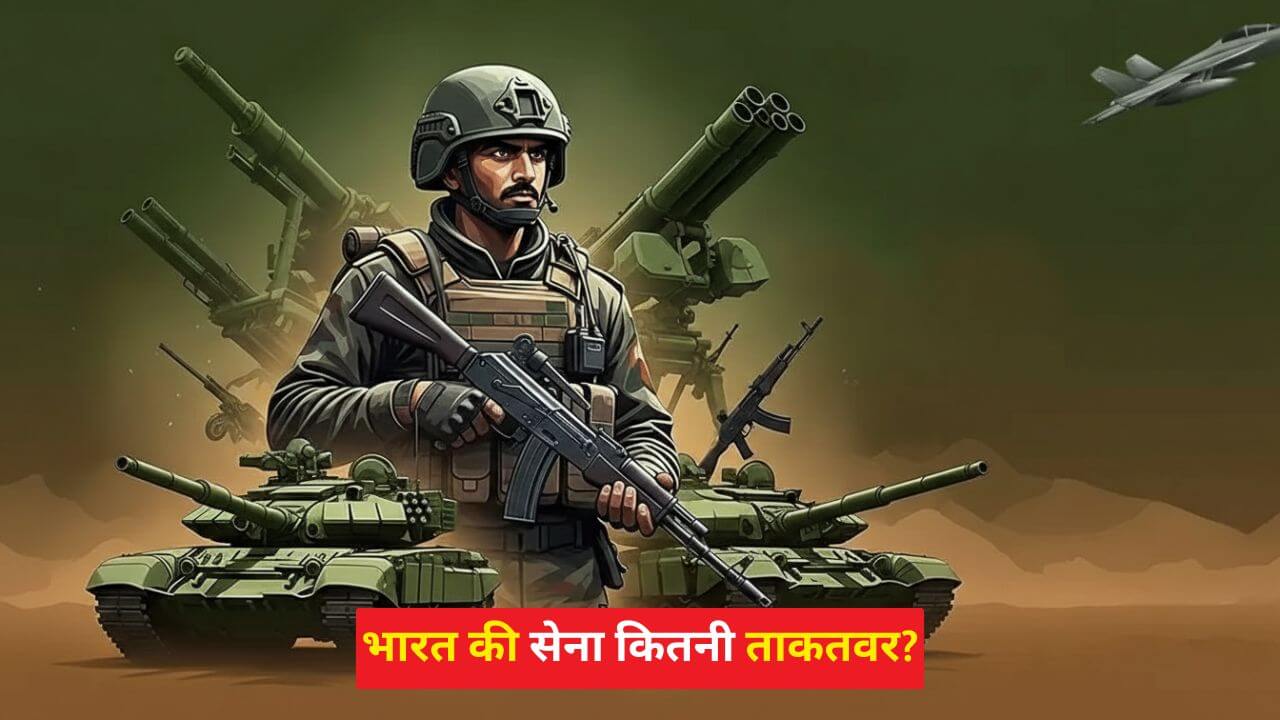
India Strengthens Military Power with New Modern Equipment
India continues to upgrade its military capabilities as global security challenges evolve and regional tensions remain sensitive. Over the past decade, the Indian Army has undergone a massive modernization drive, focusing on indigenous weapons, digital warfare systems, and advanced combat platforms.
This transformation is not just about increasing firepower but also about improving mobility, surveillance, and soldier safety. As India aims to become a global defense manufacturing hub, understanding the indian army equipment list gives insight into how the nation is preparing for future conflicts and peacekeeping missions.
Indian Army Equipment List: Weapons, Vehicles, and Technology
The indian army equipment list includes a wide range of weapons systems, armored vehicles, artillery, aircraft, and electronic warfare tools. These systems are designed to operate in diverse terrains—from deserts and mountains to dense forests and urban warfare zones.
Below is a detailed breakdown of major equipment categories currently in service.
Small Arms and Infantry Weapons
Infantry soldiers are the backbone of the Indian Army, and their weapons are constantly upgraded for accuracy and reliability.
Key Infantry Weapons:
- INSAS Rifle
- SIG Sauer 716 Assault Rifle
- AK-203 (Indo-Russian manufactured)
- Tavor TAR-21
- Negev Light Machine Gun
- Carl Gustaf Rocket Launcher
- MILAN Anti-Tank Guided Missile
Analysis:
India is gradually replacing older INSAS rifles with modern AK-203 and SIG Sauer rifles. This shift improves soldier lethality, night-fighting capability, and reliability in extreme climates.
Tanks and Armored Vehicles
Armored warfare remains critical, especially on the western and northern borders.
Main Battle Tanks:
- Arjun Mk-1A
- T-90 Bhishma
- T-72 Ajeya
Infantry and Armored Vehicles:
- BMP-2 Sarath Infantry Fighting Vehicle
- Kestrel Wheeled Armored Vehicle
- Mine Protected Vehicle (MPV)
- Tata Kraz High Mobility Vehicles
Opinion:
India is pushing indigenous tank development through the Arjun program, but imported platforms like T-90 still dominate due to proven battlefield performance. The future focus is on lighter and more mobile armored platforms suitable for mountainous regions.
Artillery and Rocket Systems
Artillery is called the “God of War” due to its decisive impact on the battlefield.
Major Artillery Systems:
- Dhanush Howitzer
- K9 Vajra-T Self-Propelled Howitzer
- Bofors FH-77B
- Pinaka Multi-Barrel Rocket Launcher
- BrahMos Supersonic Cruise Missile
Explanation:
The induction of K9 Vajra and Dhanush artillery marks a shift toward modern, mobile, and precise firepower. BrahMos, although jointly developed with Russia, is a game-changer in deterrence strategy.
Army Aviation and Drones
Modern warfare relies heavily on aerial surveillance and attack capabilities.
Army Aircraft and Helicopters:
- HAL Rudra Armed Helicopter
- Apache AH-64E (Joint operations)
- Dhruv Advanced Light Helicopter
- Cheetah and Chetak Helicopters
Unmanned Systems (Drones):
- Heron Surveillance Drone
- Switch Tactical Drones
- Indigenous Loitering Munitions
Analysis:
Drones have transformed military operations globally, and India is investing heavily in indigenous UAV technology to reduce dependency on imports.
Surveillance, Communication, and Cyber Warfare
The Indian Army is moving beyond traditional warfare into network-centric and cyber warfare capabilities.
Key Systems:
- Battlefield Management System (BMS)
- Satellite Communication Systems
- Electronic Warfare Systems
- Night Vision Devices and Thermal Imagers
Opinion:
Future wars will be fought as much in cyberspace and information networks as on physical battlefields. India’s investment in secure military communication networks is a strategic necessity.
Engineering and Logistics Equipment
Military success depends on logistics and engineering support.
Support Equipment:
- Bridging Systems
- Field Hospitals
- Military Trucks and Transporters
- Disaster Relief Equipment
Explanation:
The Indian Army plays a major role in disaster response. Advanced logistics systems ensure rapid deployment during floods, earthquakes, and humanitarian missions.
India’s Push for Indigenous Defense Manufacturing
One of the biggest trends in India’s defense strategy is Atmanirbhar Bharat (Self-Reliant India). The government is encouraging domestic companies to manufacture weapons and reduce imports.
Major Indigenous Defense Companies:
- Hindustan Aeronautics Limited (HAL)
- Bharat Electronics Limited (BEL)
- Larsen & Toubro (L&T)
- Tata Advanced Systems
Analysis:
Indigenous manufacturing not only saves foreign exchange but also strengthens national security by reducing dependency on foreign suppliers.
Special Forces and Elite Units
India has elite units equipped with specialized gear and advanced weapons.
You can read more about elite units here: What is Bhairav Battalion? Know the recruitment, salary and complete information about the new Elite Unit of the Indian Army.
Elite Units Include:
- Para SF (Special Forces)
- Garud Commando Force
- MARCOS (Naval Special Forces)
Opinion:
Special forces require cutting-edge technology, stealth equipment, and specialized weapons. India is increasingly focusing on asymmetric warfare capabilities.
Strategic Importance of Modern Military Equipment
India shares borders with two nuclear-armed nations, making military preparedness crucial. Modern equipment improves deterrence and ensures peace through strength.
Key Strategic Goals:
- Border security
- Counter-terrorism
- Disaster response
- Peacekeeping missions
Future Trends in Indian Army Equipment
Experts predict the next decade will focus on:
- Artificial Intelligence in warfare
- Robotic combat vehicles
- Hypersonic missile technology
- Quantum communication
- Space-based surveillance systems
Opinion:
The future battlefield will be dominated by technology, automation, and data. India’s current modernization drive is a foundation for future defense dominance.
The indian army equipment list reflects India’s ambition to become a technologically advanced military power. From modern rifles and tanks to drones and cyber warfare systems, India is transforming its army to meet 21st-century challenges.
While challenges like budget constraints and technology transfer still exist, the focus on indigenous manufacturing and modernization indicates a strong future outlook. For citizens, understanding this equipment list is not just about weapons—it is about national security, technological growth, and India’s role in global peacekeeping.