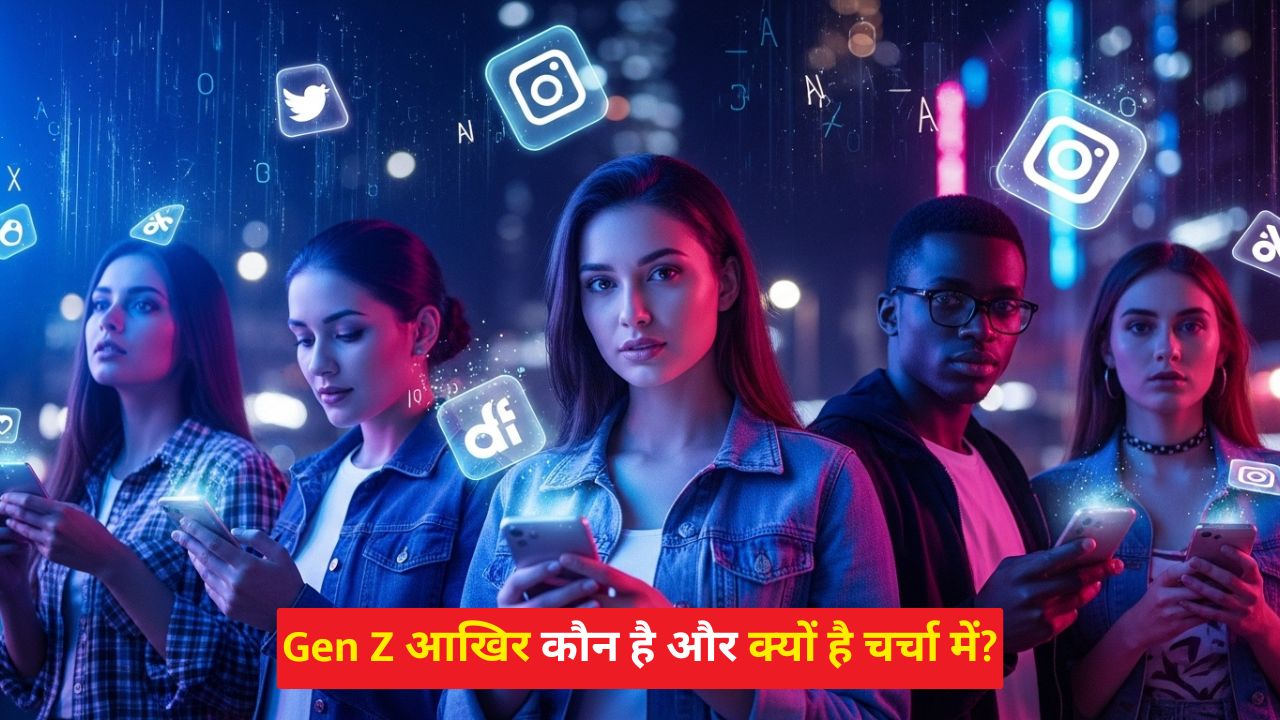
If you have searched recently, what is Gen Z, you are not alone. From boardrooms to college campuses, from social media platforms to election rallies, Generation Z explained is everywhere in conversations. But beyond viral trends and stereotypes, what does this generation really represent?
In simple terms, Generation Z explained refers to people born roughly between 1997 and 2012. They are the first generation to grow up fully in the digital era — with smartphones, high-speed internet, and social media shaping their worldview from childhood. However, defining Gen Z only by technology would be incomplete. This generation is also marked by economic uncertainty, climate anxiety, social activism, and a strong desire for authenticity.
This article explores what is Gen Z, why it matters today, and how it is changing work, politics, culture, and even the way we consume news.
Who Exactly Is Gen Z?
Generation Z follows Millennials and precedes Generation Alpha. While exact birth years vary slightly across research organizations, most analysts place Gen Z between 1997 and 2012.
What makes Generation Z explained unique?
- They are true digital natives.
- They grew up during global crises such as the 2008 financial crash.
- They witnessed rapid climate change debates.
- Many entered adulthood during the COVID-19 pandemic.
- They are highly exposed to global culture via social media.
Unlike previous generations, Gen Z did not “adapt” to technology — they were born into it. For them, the internet is not a tool; it is an environment.
What Is Gen Z’s Core Identity?
When people ask, what is Gen Z really about? the answer lies in four defining traits:
1. Digital-First Thinking
Gen Z communicates through short videos, memes, DMs, and real-time reactions. Platforms like Instagram Reels, YouTube Shorts, and emerging apps influence their opinions faster than traditional media.
They trust creators more than corporations. Peer reviews matter more than advertisements.
2. Value-Driven Consumers
This generation prefers brands that stand for something. Sustainability, diversity, and mental health awareness are not marketing trends for them — they are expectations.
If a company appears performative or fake, Gen Z is quick to call it out.
3. Financial Realism
Unlike the “dream big” tone often associated with Millennials, Gen Z is pragmatic. Many grew up watching economic instability. They care deeply about:
- Side hustles
- Remote work
- Financial independence
- Skill-based learning
Traditional career paths no longer feel secure to them.
4. Social Awareness
This generation is highly vocal on social issues. From climate activism to gender equality debates, they engage through digital platforms, sometimes shaping mainstream political narratives.
Gen Z and Work: A New Definition of Success
Companies across the world are struggling to answer one key question: How do you manage Gen Z employees?
This generation does not reject hard work. Instead, they question outdated systems. They prioritize:
- Flexible working hours
- Mental health balance
- Transparent leadership
- Skill growth over job titles
They are less likely to stay in one company for decades. Loyalty must be earned through values and opportunity.
Interestingly, in India, Gen Z is also fueling the startup ecosystem. Many young entrepreneurs are building tech-first solutions, AI tools, and creator-led businesses. You can see how AI competition is shaping India’s digital future in our detailed analysis of Sarvam AI vs Gemini in India.
Is Gen Z Too Sensitive — Or Just More Honest?
A common criticism is that Gen Z is “too sensitive.” But experts argue this may actually reflect emotional awareness.
Generation Z explained openly discusses:
- Therapy
- Burnout
- Anxiety
- Work-life boundaries
Previous generations often ignored these conversations. Gen Z brings them into the mainstream.
Rather than weakness, this shift could represent cultural progress — redefining strength as vulnerability and awareness.
Gen Z and Social Media Power
No discussion of what is Gen Z is complete without examining social media influence.
This generation does not consume media passively. They:
- Create content
- Remix trends
- Fact-check public figures
- Organize online movements
Short-form video has become their language. Political messages, brand campaigns, and even news headlines are optimized for scrolling behavior.
For publishers and bloggers, this means content must be:
- Visually engaging
- Authentic
- Value-driven
- Clear and concise
Google Discover increasingly surfaces content that resonates emotionally and socially — something Gen Z engages with heavily.
The Economic Impact of Gen Z
Globally, Gen Z already represents a massive consumer base. In India alone, this demographic forms a large percentage of the population under 25.
Their purchasing decisions are shaped by:
- Peer recommendations
- Influencer trust
- Brand transparency
- Social responsibility
Traditional advertising strategies no longer work the same way.
Brands now focus on storytelling instead of hard selling.
Education and Learning in the Gen Z Era
Another area where Generation Z explained stands out is education.
They prefer:
- Online certifications
- YouTube tutorials
- Skill-based courses
- Self-paced learning
Degrees still matter, but practical skills matter more. The rise of coding bootcamps, AI learning platforms, and creator academies reflects this change.
This generation wants education to feel useful immediately.
Political Influence of Gen Z
Generation Z explained voters are starting to influence elections worldwide. They prioritize:
- Climate policy
- Social justice
- Digital freedom
- Affordable education
Their political engagement is often digital-first, meaning trends can move rapidly.
However, critics argue that online activism does not always translate into real-world action. The long-term impact of Gen Z politics is still unfolding.
Challenges Facing Gen Z
While Gen Z is ambitious and tech-savvy, they face serious challenges:
- Rising living costs
- Housing affordability crisis
- Job market competition
- Social media comparison pressure
- Climate uncertainty
Understanding what is Gen Z also means understanding their stress environment.
This is not just a generation of trends — it is a generation growing up in rapid global change.
Why This Topic Matters for Google Discover
Content about Gen Z performs well because:
- It connects to current social trends
- It influences business, politics, and culture
- It appeals to younger audiences
- It sparks opinion and debate
High-quality content that explains what is Gen Z in a balanced, research-backed, and opinion-driven way has strong Discover potential.
What Is Gen Z, Really?
So, what is Gen Z?
This generation is not just an age group. It is a mindset shaped by technology, uncertainty, awareness, and rapid global transformation.
They question authority, demand transparency, prioritize mental health, and embrace digital entrepreneurship. They are redefining work culture, brand loyalty, political engagement, and media consumption.
Instead of dismissing them as “different,” perhaps it is time to see them as indicators of where the world is heading.
Understanding This generation is not optional anymore. It is essential.
Credits: Research insights adapted from publicly available generational studies and global demographic analysis, including industry research discussions on Gen Z trends.